
Best Patio Heaters 2025
A selection of the best types of heaters to warm your patio all year round
Having trouble finding the right outdoor heater for your needs? Take a look at our popular articles which aim to give you the answers you need quickly.


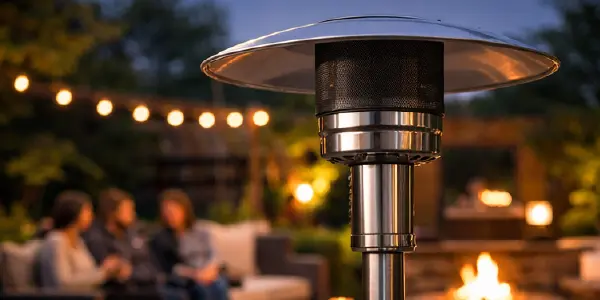
A patio heater that lights normally but then shuts off a few seconds or minutes later can be frustrating. It often happens just as the patio starts to feel comfortable and everyone is settling in outside.
In many cases, this problem is not a sign that the heater is worn out beyond repair. More often, it comes down to a simple issue with flame detection, gas flow, or outdoor conditions.
If your patio heater keeps shutting off, the cause is usually linked to the safety system, the pilot flame, the thermocouple, or a gas supply issue. Working through those areas one by one is usually the fastest way to find the problem.
Most patio heaters shut off automatically when the flame is unstable or the safety system thinks gas is flowing without proper ignition.
If you start with those five areas, you will usually find the cause quickly.
Outdoor heaters are designed to stop gas flow as soon as they detect a problem. That is a safety feature, but it also means small faults can cause repeated shutdowns.
The most common reason is that the heater does not believe the flame is stable enough to keep running. That can happen because the pilot light is too weak, the thermocouple is not sensing enough heat, or the gas supply is inconsistent.
Dust, spider webs, outdoor moisture, and temperature swings can all contribute to the problem. Because patio heaters sit outside, even a small amount of debris inside the burner or pilot assembly can interfere with normal operation.
It helps to work through the problem in a clear sequence rather than guessing. That reduces the chance of overlooking a simple fix.
A nearly empty tank can cause weak or inconsistent pressure, especially in colder weather. Even if there is still some gas left, the heater may not be getting enough flow to keep a steady flame.
Make sure the tank valve is fully open and the hose connection is secure. If the tank is low, replacing it is often the quickest test.
A healthy pilot flame should usually look steady and mostly blue. If it is tiny, flickering, or yellow, the heater may struggle to keep the gas valve open.
This is often a sign that the pilot assembly is dirty or partially blocked. A weak pilot flame can also prevent the thermocouple from heating properly.
Outdoor appliances attract dirt and insects. Spider webs and dust are surprisingly common inside patio heater burner areas, especially after a period of disuse.
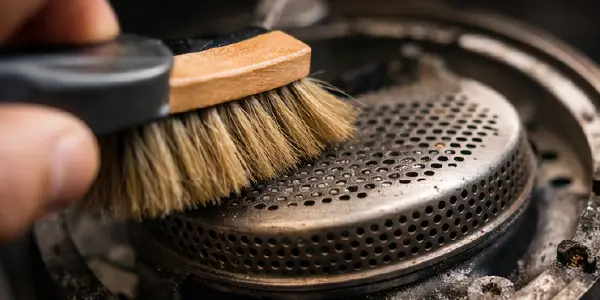
Turn the heater off, allow it to cool fully, and inspect the pilot opening. A soft brush or careful use of compressed air can help remove light debris.
The thermocouple is a small metal sensor that sits near the pilot flame. Its job is to confirm that a flame is present. If it is dirty, bent out of place, or failing, it may shut the heater down even though ignition occurred normally.
The sensor tip should sit directly in the pilot flame. If it is off to one side, the heater may work for a few seconds and then switch off.
If the pilot and thermocouple seem fine, the next place to look is the gas supply. A faulty regulator, low tank pressure, or a kinked hose can all interfere with stable combustion.
Gas flow problems often show up as a weak flame, a heater that struggles to stay lit, or a burner that cuts out after warming up.
Even when the weather does not seem especially windy, air movement around walls, fences, and corners of a patio can disturb the flame. A heater positioned in a sheltered-looking spot can still be exposed to swirling airflow.
If the heater works better when moved to another location, wind may be the main cause.
Propane pressure drops in colder temperatures. That does not always stop a heater completely, but it can make the flame weaker and less stable.
This tends to be more noticeable when the tank is already low. A fresh tank often performs better in cool weather.

The thermocouple is a small component, but it plays a major role in safe operation. When heated by the pilot flame, it generates a tiny electrical signal that tells the gas valve it is safe to stay open.
If the thermocouple is dirty, worn out, or not positioned correctly, that signal becomes too weak. The gas valve responds by shutting off the fuel supply.
This is why patio heaters that ignite and then go out after a short delay often point to a thermocouple issue. It is one of the first parts worth checking because it is both common and relatively simple.
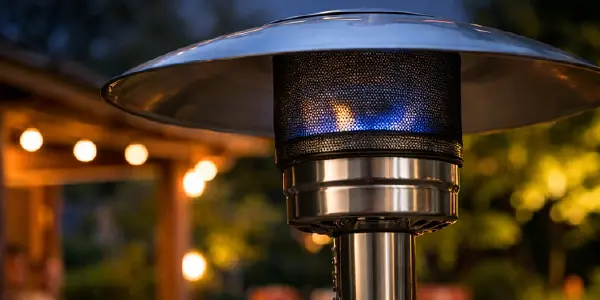
Patio heaters need stable gas pressure to maintain a consistent flame. If the flow is interrupted, the burner can weaken and the heater may shut itself off.
Common causes include a nearly empty propane tank, a hose connection that is not fully secure, a damaged regulator, or a regulator that is struggling in colder conditions. A blocked burner can create similar symptoms because even good gas flow still needs clean combustion at the burner head.
If your patio heater also seems to have a weak flame or trouble reaching full heat, a gas-flow problem becomes even more likely.
Because patio heaters are used outdoors, their performance depends partly on the environment around them. Wind can push the flame away from the thermocouple, cool the sensor, or disturb the burner enough to cause repeated shutdowns.
Debris is another common issue. A heater that has sat unused for weeks or months may look clean from the outside while the pilot area contains dust, webs, or bits of leaf material.
Cold weather adds another layer by reducing propane pressure. The result is a heater that lights, struggles, and then stops.
Many people jump straight to replacing parts without checking the basics first. That often leads to wasted time and money.
A slow, methodical check is usually more effective than replacing components at random.
Always approach gas appliances carefully. Turn the heater off fully before inspecting any part of the burner or pilot assembly, and allow it to cool before touching internal components.
If you smell gas strongly, stop immediately. Do not continue relighting the heater until the source of the smell has been identified and the area is ventilated.
Most shutdown issues become less likely when the heater is kept clean and used with a little seasonal care. A few small habits make a big difference over time.
Preventive maintenance is often the easiest way to avoid repeated shutdowns during the colder months when you actually want to use the heater.
This usually happens because the heater is losing flame stability or the thermocouple is not sensing enough heat. A weak pilot flame, dirt in the pilot assembly, or poor gas flow are common causes.
Yes. Wind can disturb the pilot flame or cool the thermocouple enough to trigger the safety shutoff. Sometimes the problem comes from swirling airflow rather than obvious strong wind.
A proper test usually involves checking the electrical output with a meter while the thermocouple is heated. For many homeowners, the practical first step is to inspect its position, clean it, and replace it if symptoms persist.
It is only safe if there is no gas smell and the heater is otherwise functioning normally. Repeated shutdowns usually mean there is an underlying problem that should be corrected rather than ignored.
If you have ruled out the tank, pilot, thermocouple, and burner debris, the regulator may be the issue. Regulators do fail, but it makes sense to check the simpler causes first.
If your patio heater keeps shutting off, the problem is usually tied to flame detection, gas pressure, or outdoor conditions rather than a complete heater failure.
Start with the simplest checks: propane level, pilot flame quality, burner cleanliness, and thermocouple position. Those steps solve a large share of shutdown problems without needing major repairs.
Once the heater has a steady flame and clean gas flow, it is far more likely to stay running reliably and keep your outdoor space comfortable.


Sign up for free and get the hottest outdoor heater news direct to your inbox, you never know what you goodies you might find